
The growing interest in peptides has led to increased demand across research communities worldwide. In Canada, however, many people still have questions about research peptides Canada law—specifically how these compounds are regulated, sold, and used.
Understanding the legal framework surrounding research peptides is essential for anyone working with or purchasing these compounds. This guide breaks down the key regulations, Health Canada guidelines, and compliance considerations you need to know.
What Are Research Peptides?
Research peptides are short chains of amino acids used primarily in laboratory and scientific settings. They are studied for their role in biological signaling, cellular processes, and experimental models across fields such as biochemistry and pharmacology.
Unlike pharmaceutical peptides, research peptides are:
- Not approved as therapeutic drugs
- Not intended for human consumption
- Distributed strictly for research and educational purposes
Sellers typically label them as “for research use only,” which defines both their legal positioning and how they can be marketed in Canada.
Legal Status of Peptides in Canada
The legal status of peptides in Canada is not universal—it depends on classification and intended use.
In general:
- Peptides may be legal when sold as research compounds
- Peptides intended for human use may be regulated as drugs or biologics
- Unauthorized therapeutic claims can trigger regulatory enforcement
This means peptides are not inherently illegal. Instead, their legality is determined by:
- How they are labeled
- How they are marketed
- How they are used
For example, regulators may allow a peptide when sellers include clear research disclaimers, but they impose stricter regulations when marketers promote the same compound for human benefits.

Health Canada Guidelines
Health Canada is responsible for regulating drugs, biologics, and related substances in Canada. Its framework focuses on safety, efficacy, and risk management.
Key points from Health Canada guidelines include:
- Drug Classification: Any substance intended to affect the structure or function of the body may be classified as a drug
- Approval Process: Pharmaceutical peptides must undergo clinical evaluation and receive approval before being sold for human use
- Marketing Restrictions: Products cannot make unapproved therapeutic claims
- Labeling Requirements: Accurate labeling is essential to define product intent
Research peptides typically fall outside of drug approval pathways as long as companies do not position them as consumable products.
Importing Peptides into Canada
Importing peptides into Canada involves additional considerations, especially for individuals and research organizations sourcing products internationally.
Important factors include:
- Customs Review: Imported substances may be inspected or flagged depending on classification
- Documentation: Clear labeling and product documentation help demonstrate research intent
- Regulatory Compliance: Products that appear to be intended for human use may face restrictions
While importing research peptides is possible, it is important to ensure that:
- The supplier is compliant
- The product is properly labeled
- The intended use aligns with research guidelines
Failure to meet these conditions may result in delays, confiscation, or regulatory issues.
Research Use Disclaimer Explained
One of the most important elements in peptide compliance is the research use disclaimer.
You will often see labels such as:
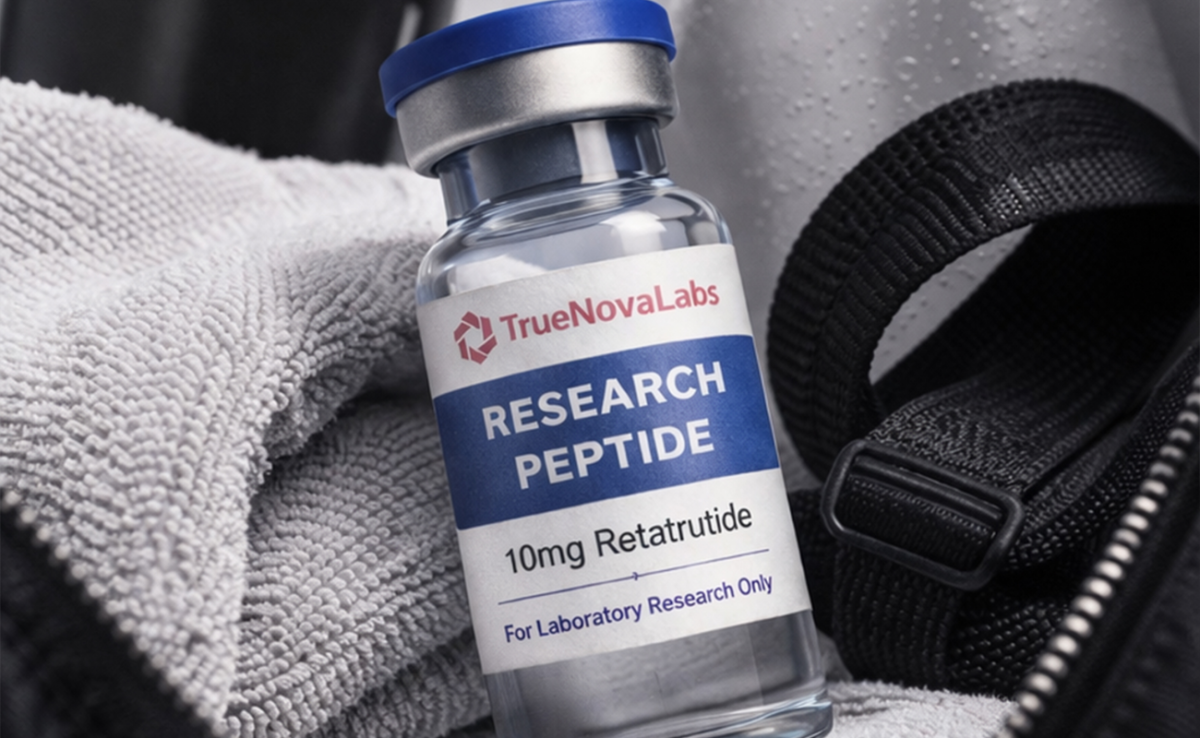
- “For research use only”
- “Not for human consumption”
- “For laboratory and educational purposes only”
These disclaimers are not just formalities—they play a critical role in defining the legal positioning of the product.
They help ensure that:
- Sellers do not market the product as a drug.
- The supplier remains within regulatory boundaries
- Sellers clearly communicate the intended use.
However, disclaimers alone are not sufficient. Regulatory authorities may also consider how companies promote and use the product in practice.
Legal Risks and Compliance
Although consumers can purchase research peptides in Canada, they still face legal risks.
Potential Risks
- Misuse outside of research contexts
- Purchasing from non-compliant suppliers
- Importing improperly labeled products
- Exposure to misleading or inaccurate product information
Compliance Best Practices
- Choose suppliers that provide third-party testing (COA)
- Verify batch-level purity data
- Ensure that sellers clearly label products for research use.
- Avoid vendors making medical or therapeutic claims
Ultimately, compliance comes down to transparency, documentation, and intent.
Conclusion: Understanding Research Peptides Canada Law
So, what does research peptides Canada law really mean?
- Authorities generally permit research peptides when scientists use them for scientific purposes.
- Health Canada strictly regulates pharmaceutical use.
- Legal status depends on classification, labeling, and intended use
For researchers and informed buyers, staying compliant means:
- Understanding regulatory boundaries
- Working with reputable suppliers
- Respecting the research-only framework
As interest in peptides continues to grow, maintaining a clear understanding of the legal landscape is essential for safe and responsible use.
👉 Still unsure about the legal status? Before making a purchase, it’s important to understand the full regulatory landscape. Read our complete guide: Are Peptides Legal in Canada? Regulations, Usage & What You Need to Know to learn how peptides are classified, regulated, and used in Canada.
If you’re looking for high-quality, research-focused peptide products with transparent sourcing and verified standards, explore the full collection at True Nova Labs
Disclaimer:
This content is provided by True Nova Labs for educational and research purposes only. It is not intended to diagnose, treat, cure, or prevent any disease, nor to provide medical or legal advice.



3 Comments
Noah
This really shows how compliance in Canada isn’t just about the compound itself, but how it’s classified and marketed. The same peptide can fall into completely different regulatory categories depending on its intended use.
William
What stands out is how Canada treats most non-approved peptides as unauthorized drugs if there are any therapeutic claims, even though they’re not controlled substances. That creates a pretty unique regulatory gray zone compared to other countries.
Daniel
Great breakdown of how peptide regulation in Canada really comes down to classification and intended use. It’s interesting that the same compound can be treated as a drug, a cosmetic, or a research material depending on how it’s positioned.