
Peptides are increasingly discussed in research, biotechnology, and wellness circles. As interest grows, one of the most frequently asked questions is: what peptides are legal?
At first glance, this might seem like a simple yes-or-no question. In reality, peptide legality is far more nuanced—especially in countries like Canada, where regulations depend heavily on intended use, classification, and regulatory oversight.
This guide breaks down peptide legality in a clear, practical way—so you can understand not just what is legal, but why it is legal.
What Determines Peptide Legality?
Peptide legality is not determined solely by the compound itself. Instead, regulators evaluate several key factors before deciding how a peptide is classified.
In Canada, authorities such as Health Canada focus on:
- Intended Use – Is the peptide used for research or human consumption?
- Product Classification – Is it categorized as a research chemical, drug, or biologic?
- Marketing Claims – Are there any therapeutic or medical claims attached?
- Regulatory Approval – Has it gone through clinical evaluation and authorization?
This means the same peptide can exist in different legal categories depending on how it is presented and used.
For example:
- A peptide sold for laboratory research may be allowed
- The same peptide marketed for human use without approval may be restricted
Understanding this distinction is the foundation of peptide compliance.
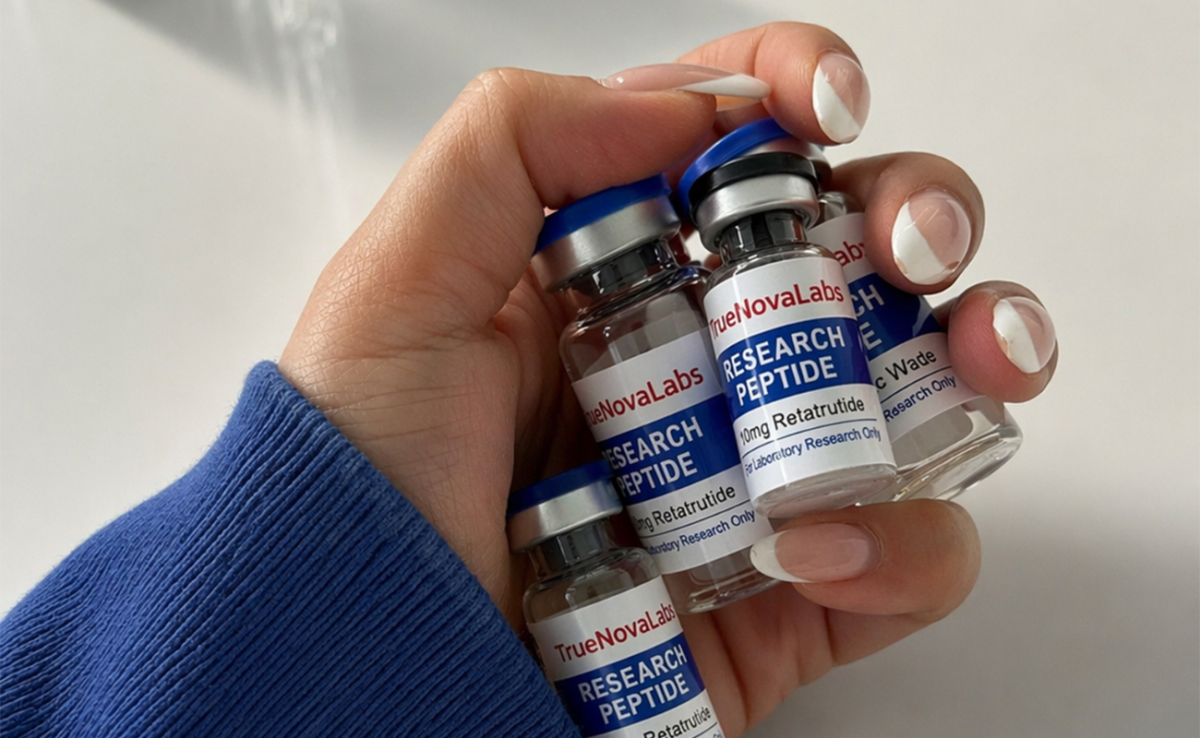
Legal vs Restricted Peptides
Rather than dividing peptides into “legal” and “illegal,” it’s more accurate to think in terms of context-dependent legality.
Legal (Context-Based) Peptides
These are peptides that are:
- Sold strictly for research or educational purposes
- Labeled clearly as “for research use only”
- Not marketed for human consumption
In this context, peptides are generally accessible through research suppliers.
Restricted Peptides
Peptides become restricted when they:
- Are classified as drugs or biologics
- Are intended to affect the body in a therapeutic way
- Require approval or prescription under Canadian law
Once a peptide enters the pharmaceutical category, it is subject to strict regulation and oversight.
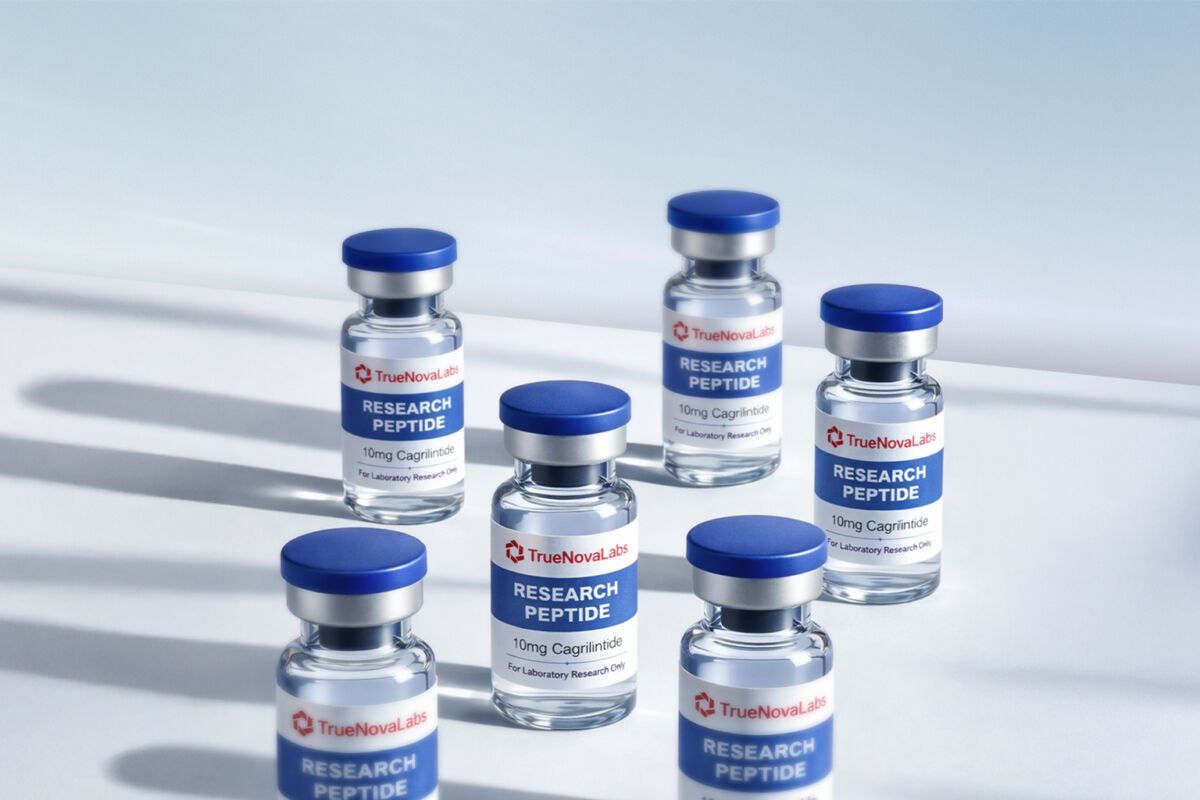
Research vs Prescription Peptides
One of the most important distinctions in peptide legality is the difference between research peptides and prescription peptides.
Research Peptides
- Used in laboratory or experimental settings
- Not approved as drugs
- Distributed with strict disclaimers
- Positioned for scientific and educational use
These peptides are typically the ones available through research-focused suppliers.
Prescription (Pharmaceutical) Peptides
- Approved for specific medical uses
- Regulated under drug laws
- Require authorization and medical supervision
These are not freely available for purchase and must follow formal healthcare pathways.
Examples of Common Legal Peptides
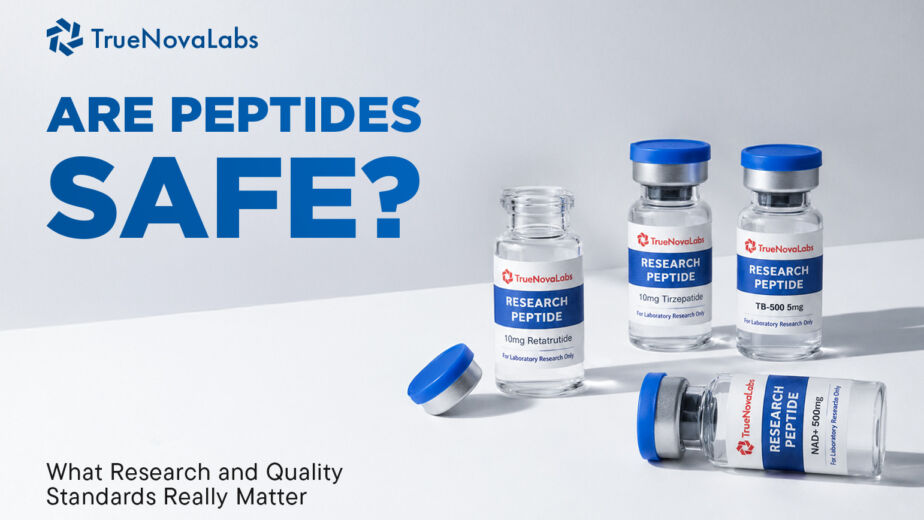
Many peptides are commonly available in Canada and other countries as research compounds.
Some widely known examples include:
| Peptide | Research Focus / Context |
|---|---|
| BPC-157 | Studied in cellular and tissue models, particularly in experimental research related to repair and biological signaling |
| TB-500 | Researched in relation to actin regulation, cell migration, and structural protein interactions |
| Melanotan analogs | Explored in pigmentation-related pathways and melanocortin receptor research |
| DSIP (Delta Sleep-Inducing Peptide) | Studied in neurological models and research related to sleep-related mechanisms |
These peptides are typically:
- Offered by research suppliers
- Supported with Certificates of Analysis (COA)
- Not approved for human use
It’s important to note that availability does not imply unrestricted use. These compounds remain within a research-only framework.
Differences Across Countries
Peptide regulations vary significantly depending on the country, which can create confusion—especially when ordering online.
| Region | Regulatory Approach | Key Notes |
|---|---|---|
| Canada | Focuses on classification and intended use | Research peptides are generally permitted; pharmaceutical peptides are tightly regulated |
| United States | Regulated by Food and Drug Administration | Strong emphasis on drug classification and regulatory enforcement |
| European Union | Regulations vary by country | Generally aligned with pharmaceutical control frameworks |
| Australia | Strict import and prescription controls | Often more restrictive in terms of access and compliance requirements |
Why this matters: A peptide that is accessible in one country may be restricted in another—especially when it comes to importation.
How to Stay Compliant
If you are working with peptides in a research context, staying compliant is essential—not just legally, but also ethically and scientifically.
Best Practices
- Buy only from transparent, reputable suppliers
- Verify third-party lab testing (COA)
- Ensure clear labeling: “for research use only”
- Understand the regulatory framework in your region
What to Avoid
- Products making medical or therapeutic claims
- Suppliers without verifiable quality standards
- Using peptides outside research contexts
- Importing products without proper documentation
Conclusion: What Peptides Are Legal?
So, what peptides are legal?
In Canada and similar regulatory environments:
- Peptides are generally legal for research and educational purposes
- They become restricted when positioned for human use without approval
- Their legality depends on classification, labeling, and intended use
For researchers, buyers, and anyone exploring peptides, the goal should not just be access—but understanding the system that governs that access.
Explore Research-Grade Peptides
If you’re looking for high-quality, research-focused peptide products with transparent sourcing and verified standards, explore the full collection at True Nova Labs
Disclaimer:
This content is provided by True Nova Labs for educational and research purposes only. It is not intended to diagnose, treat, cure, or prevent any disease, nor to provide medical or legal advice.



3 Comments
Mabel
Really appreciate how this article simplifies a pretty complex topic. The idea that legality depends on classification and intended use—not just the peptide itself—is explained very clearly here.
Mia
Great breakdown overall. It’s interesting how the same compound can be treated completely differently depending on how it’s marketed—do you think this is the main reason people get confused about peptide legality?
Benjamin
I like that this doesn’t give a simple yes/no answer but actually explains the different categories—prescription, research-use, and even cosmetic peptides. It shows why the legal landscape is more nuanced than most people assume.