

Peptides are widely discussed in scientific and laboratory environments, but the term “research peptides” often creates confusion for beginners. So, what exactly are they—and how are they used?
In Canada, research peptides occupy a specific regulatory space. They are not consumer products, nor are they automatically classified as approved pharmaceuticals. Instead, they exist primarily within scientific and experimental contexts.
This guide explains what research peptides are, how researchers use them, and what you need to know about their legal and practical framework—especially in Canada.
Definition of Research Peptides
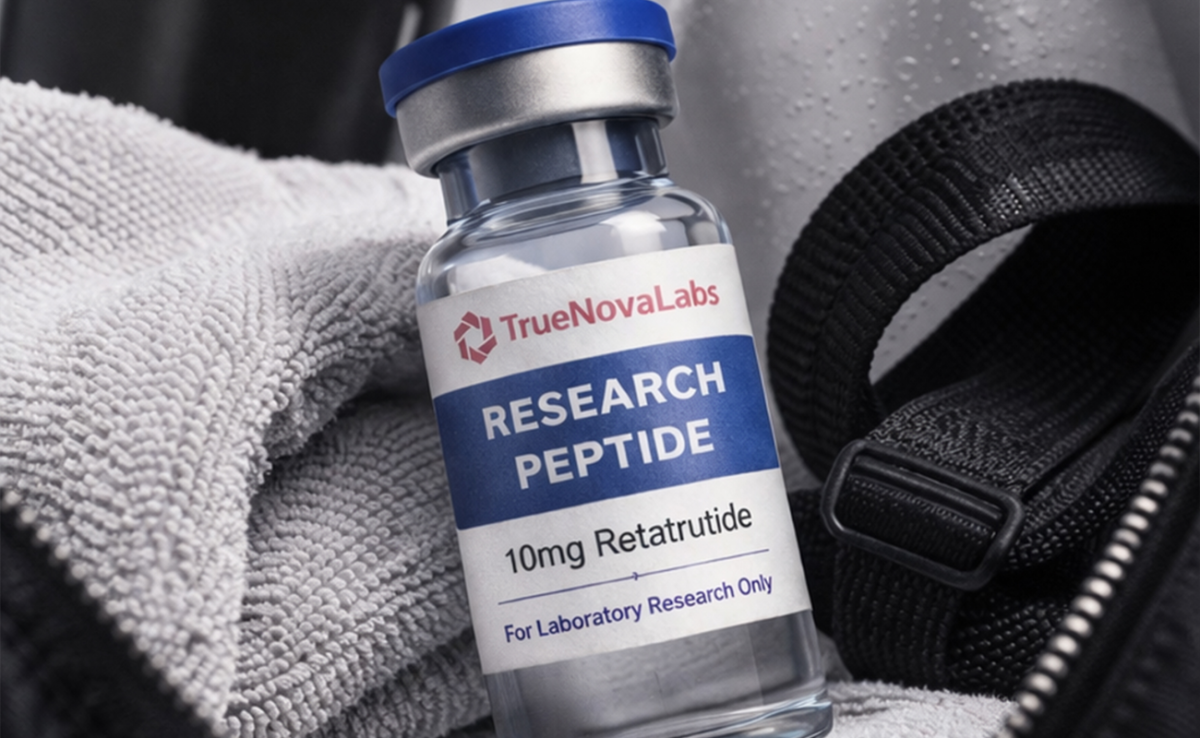
Scientists synthesize and supply research peptides—short chains of amino acids—for laboratory and scientific use only.
Like all peptides, they are composed of amino acids linked by peptide bonds. However, what distinguishes research peptides is not their structure—it’s their intended purpose.
They are typically:
- Produced for experimental or analytical studies
- Not approved as therapeutic drugs
- Labeled clearly as “for research use only”
In Canada, this classification is important. It defines how these compounds can be:
- Marketed
- Distributed
- Used
Key point: Scientists classify a peptide as a “research peptide” based on how they position and use it, not just its chemical identity.
How They Are Used in Scientific Studies
Scientists use research peptides across multiple disciplines because they can precisely interact with specific biological pathways.
In laboratory settings, researchers commonly use them to:
- Study cell signaling mechanisms
- Investigate receptor binding and activation
- Model biological responses in controlled environments
- Explore molecular interactions at the cellular level
Because peptides can mimic naturally occurring signaling molecules, they allow researchers to observe how cells respond under specific conditions.
For example:
- Researchers may use a peptide to trigger a signaling pathway.
- Researchers then measure how cells react to that signal
This controlled interaction makes peptides valuable tools for understanding biological systems at a deeper level.
Research vs Medical Applications
One of the most important distinctions—especially in Canada—is the difference between research use and medical application.
Research Peptides
- Used in laboratories and academic studies
- Not approved for human use
- Distributed with strict disclaimers
- Not marketed with therapeutic claims
Medical (Pharmaceutical) Peptides
- Approved for specific clinical purposes
- Regulated under Canadian drug laws
- Require oversight and authorization
Regulatory authorities such as Health Canada evaluate substances based on safety, efficacy, and intended use.
Key takeaway: The same peptide compound may exist in both categories—but only when approved and regulated does it become a medical product.

Common Types of Research Peptides
Research peptides vary widely depending on their structure and function. Some commonly studied categories include:
1. Signaling Peptides
Used to study communication between cells and receptor interactions.
2. Structural Peptides
Explored in research related to tissue and cellular frameworks.
3. Hormone-Related Peptides
Studied for their role in regulatory pathways and endocrine signaling.
4. Neuroactive Peptides
Used in research involving neurological processes and signaling pathways.
Examples often seen in research contexts include:
- BPC-157
- TB-500
- DSIP
- Melanotan analogs
These compounds are typically:
- Distributed by research suppliers
- Accompanied by Certificates of Analysis (COA)
- Not approved for human consumption
Safety and Handling Basics
Although researchers use peptides in controlled environments, they must handle them properly to maintain integrity and reliability.
Key considerations include:
- Storage Conditions
Many peptides require cold storage to prevent degradation - Light Sensitivity
Some peptides may be sensitive to UV exposure - Contamination Prevention
Researchers should handle them using proper laboratory techniques. - Reconstitution Stability
Once prepared, peptides may have limited stability depending on conditions
Important note: Handling practices are not just about safety—they directly impact the accuracy of experimental results.
“Not for Human Consumption” Explained
One of the most common labels associated with research peptides is: “Not for human consumption”
This phrase is critical—not just a warning, but a regulatory requirement.
It means that:
- The product has not been evaluated or approved for human use
- It is intended strictly for research and educational purposes
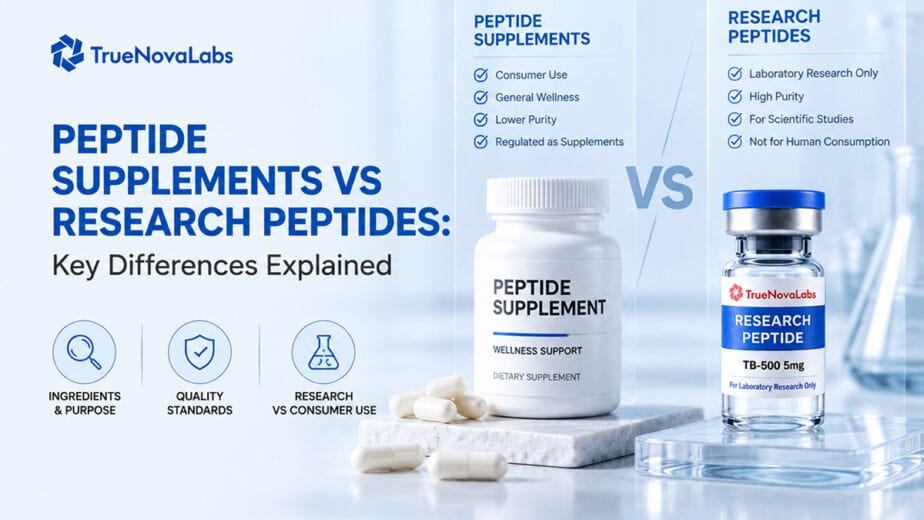
- It cannot be marketed as a treatment, supplement, or therapeutic product
In Canada, this distinction helps ensure that:
- Research products are not misrepresented
- Suppliers remain compliant with regulatory standards
- Consumers are not misled about intended use
However, it’s important to understand that a disclaimer alone is not enough. Regulatory authorities may also consider:
- How the product is advertised
- How it is described
- The overall context of its sale
Conclusion: Understanding Research Peptides Clearly
So, what are research peptides? Scientists use them as tools—these are short chains of amino acids that help study how biological systems function at a cellular level.
In Canada:
- They are generally allowed when used for research purposes
- They are not approved for human consumption
- Their legality depends on classification, labeling, and intended use
For beginners, the most important takeaway is this:
Research peptides are specialized compounds that scientists use in controlled scientific environments, not consumer products.
If you’re looking for high-quality, research-focused peptide products with transparent sourcing and verified standards, explore the full collection at True Nova Labs
Disclaimer:
This content is provided by True Nova Labs for educational and research purposes only. It is not intended to diagnose, treat, cure, or prevent any disease, nor to provide medical or legal advice.



3 Comments
Oliver Grant
Great beginner-friendly article. I like how it explains research peptides as tools for studying cellular signaling rather than something meant for direct use—it makes the whole topic much clearer and more grounded.
Hannah Scott
I appreciate how the article breaks down the basics like what peptides are and why they’re synthesized in labs. The idea that they can be modified to study specific biological pathways is especially interesting.
Ethan Dubois
Very informative read. What stands out to me is how research peptides are clearly positioned as ‘research use only,’ which helps avoid a lot of the confusion people have between experimental compounds and approved drugs.