
Interest in GLP-1 peptides has grown rapidly as research continues to explore how the body regulates hunger, blood sugar, and long-term energy balance. Unlike traditional approaches that focus on stimulating metabolism, GLP-1–related compounds are studied for how they influence internal signaling systems that control when and how much we eat.
This shift in focus—from calorie burning to appetite regulation—is one of the biggest changes in modern metabolic research.
In Canada, many GLP-1 peptides discussed online are supplied strictly for laboratory and educational purposes only, not as consumer-ready products. Understanding how they work requires looking at their role in biological communication, not just outcomes.
👉 Looking for research-grade peptides with verified purity and transparent sourcing? Explore the collection here SHOP ALL COMPOUNDS
This guide explains how GLP-1 peptides function, why they are important in metabolic research, and what current studies suggest about their benefits and limitations.
What GLP-1 Peptides Do in the Body
GLP-1 (glucagon-like peptide-1) is a naturally occurring hormone involved in regulating both appetite and glucose metabolism.
When released, it acts on multiple systems at once. It sends signals to the brain that influence hunger, interacts with the digestive system to affect how quickly food is processed, and plays a role in how the body responds to glucose.
Peptides that mimic GLP-1 are studied because they can extend or amplify these natural signals, allowing researchers to observe how sustained signaling may influence eating behavior and metabolic balance.
This multi-system interaction is what makes GLP-1 such a central focus in weight-related research.

How GLP-1 Affects Hunger and Blood Sugar
One of the most important roles of GLP-1 is its influence on hunger perception.
Instead of forcing appetite suppression, GLP-1 signaling appears to:
- increase feelings of fullness
- reduce the intensity of hunger signals
- influence food intake decisions
At the same time, GLP-1 is involved in glucose-related pathways. It supports how the body manages blood sugar by influencing insulin-related responses after food intake.
These combined effects—on both appetite and glucose regulation—are why GLP-1 peptides are studied as part of broader metabolic systems rather than isolated mechanisms.
The key idea is not immediate change, but consistent signaling over time.
Common GLP-1 Peptides Used for Weight Loss
Several peptides are frequently discussed in research due to their interaction with GLP-1 pathways.
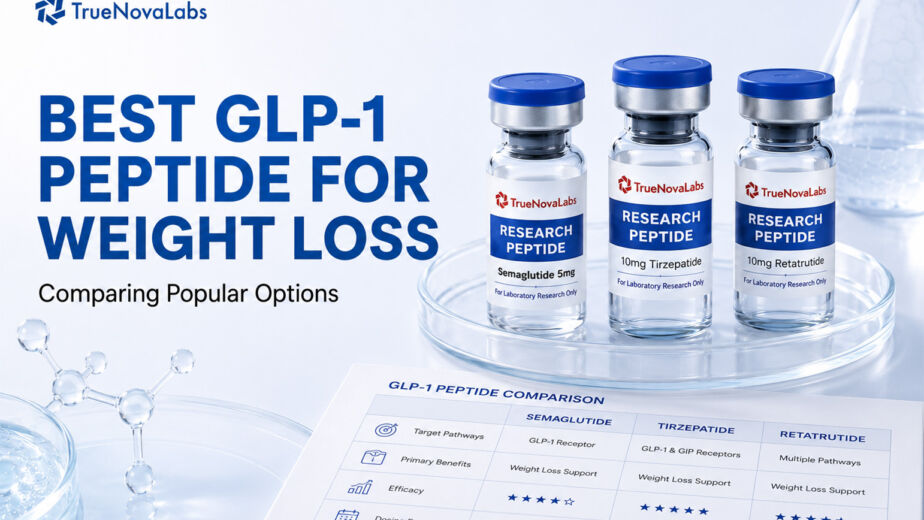
Semaglutide is one of the most widely studied compounds, known for its strong interaction with GLP-1 receptors and its role in satiety signaling. Tirzepatide builds on this by combining GLP-1 activity with GIP pathway interaction, making it relevant in dual-pathway metabolic research.
Other compounds are being explored as research evolves, but what they share is a focus on appetite regulation and metabolic signaling, rather than direct fat burning.
Understanding these differences is important, because each peptide interacts with the body in its own way.

Potential Benefits and Limitations
| Aspect | GLP-1 Peptides in Research Context |
|---|---|
| Potential Effects Studied | More consistent appetite regulation, changes in satiety patterns, and altered energy intake behavior |
| Long-Term Impact | These changes may contribute to gradual shifts in overall energy balance over time |
| Key Limitation | Do not replace foundational factors like diet, physical activity, sleep quality, or overall metabolic health |
| Research Role | Studied as part of a broader metabolic system, not as standalone solutions |
| Expected Outcomes | Results are typically gradual and highly dependent on research conditions and biological context |
Side Effects and Safety Concerns
Because GLP-1 peptides interact with both appetite and digestive pathways, some research observations involve:
- digestive responses
- changes in appetite intensity
- temporary adjustments in energy levels
However, many concerns are not related to the peptide mechanism itself, but to:
- product purity
- improper storage
- contamination during preparation
- inconsistent sourcing
Peptides are sensitive compounds, and even minor degradation can alter their behavior.
In Canada, substances are regulated based on classification and intended use by organizations such as Health Canada, which highlights the importance of proper research context.
👉 To ensure consistency in research, explore peptides with verified testing and transparent sourcing here SHOP ALL COMPOUNDS
Who May Benefit From GLP-1 Peptides?
From a research standpoint, GLP-1 peptides are most relevant in studies focused on:
- appetite regulation
- metabolic signaling
- glucose-related pathways
- energy intake behavior
They are not intended for casual or unsupervised use.
Understanding their role requires focusing on mechanism and system interaction, rather than expecting immediate outcomes.
Learn how appetite suppressant peptides may influence hunger, cravings, and satiety in research—explore related weight loss peptide insights at Peptides for Weight Loss: Benefits, Mechanisms & What to Expect
FAQ
What are GLP-1 peptides?
They are compounds studied for their ability to mimic the GLP-1 hormone involved in appetite and glucose regulation.
How do GLP-1 peptides help with weight loss?
They are researched for how they influence hunger, satiety, and energy intake over time.
Do GLP-1 peptides burn fat directly?
No. They work by affecting appetite and metabolic signaling rather than direct fat oxidation.
Are GLP-1 peptides approved in Canada?
Some pharmaceutical versions exist, but many compounds discussed online are classified as research peptides.
Why is quality important?
Purity and proper handling directly affect peptide stability and research reliability.
Conclusion
Understanding these peptides means understanding how the body regulates hunger and energy—not just weight itself.
These compounds are studied for how they influence:
- appetite signaling
- satiety response
- glucose regulation
- long-term metabolic behavior
Rather than acting as quick fixes, GLP-1 peptides represent a shift toward system-based metabolic research.
For researchers in Canada, reliable outcomes depend on:
- high-quality sourcing
- proper storage and handling
- understanding biological pathways
- realistic expectations
Explore Research-Grade Peptides
If you’re looking for research peptides supported by verified purity, transparent sourcing, and consistent quality standards, explore the full collection here SHOP ALL COMPOUNDS
Disclaimer:
This content is provided by True Nova Labs for educational and research purposes only. It is not intended to diagnose, treat, cure, or prevent any disease, nor to provide medical or legal advice.




4 Comments
Orion Vale
Really informative article with a clear explanation of how GLP-1 peptides work for appetite control and weight management. I appreciated that the post focused on biological mechanisms and realistic expectations instead of oversimplifying the topic. The section about hunger signaling and metabolism was especially interesting because it helps explain why these peptides have gained so much attention recently. Do you think future GLP-1 research will lead to more personalized weight-loss approaches based on individual metabolic responses?
Kaizen Rowe
Excellent breakdown of a topic that many people are curious about but don’t fully understand yet. I liked how the article explained appetite regulation and weight-loss support in a balanced and science-focused way rather than making exaggerated claims. The discussion around long-term lifestyle factors was especially valuable. It would be interesting to see more research comparing GLP-1 peptides with other emerging metabolic therapies.”
Zephyr Quinn
This article did a great job simplifying a complex topic for everyday readers. I appreciated that the guide discussed both appetite control and the broader metabolic effects of GLP-1 peptides instead of focusing only on rapid weight loss. The explanation felt educational and realistic, which is refreshing compared to a lot of content online. Have researchers identified whether certain GLP-1 compounds tend to produce more sustainable long-term results than others?
Felix David Coleman Valenzuela
Really enjoyed this post. Thanks for sharing such helpful info. If you want a science‑based breakfast tool, this one has been super helpful for me: