

Peptides used in research are often supplied in lyophilized (freeze-dried) powder form, which helps preserve stability during shipping and storage. Before they can be used in laboratory settings, they usually need to go through a process called reconstitution. For beginners, this raises an important question: how to reconstitute peptides correctly?
Proper reconstitution is essential because mistakes in handling, mixing, or storage can affect peptide stability, purity, and research reliability. In Canada, where research peptides are sold strictly for laboratory and educational purposes, following correct preparation procedures is especially important.
This guide explains what peptide reconstitution is, what materials are needed, and how to perform the process safely and accurately.
What Is Peptide Reconstitution?
Peptide reconstitution is the process of adding a sterile liquid to a lyophilized peptide powder to return it to a usable solution form for research purposes.
Most peptides are supplied as a dry powder because:
- It improves long-term stability
- It reduces degradation during storage
- It helps preserve structural integrity
Once reconstituted, the peptide becomes more sensitive to environmental conditions and must be handled with greater care.
The liquid commonly used is typically a sterile laboratory-grade solution, depending on the research protocol and peptide requirements.
Key principle: Reconstitution is not just mixing—it is a controlled preparation step that affects research quality.
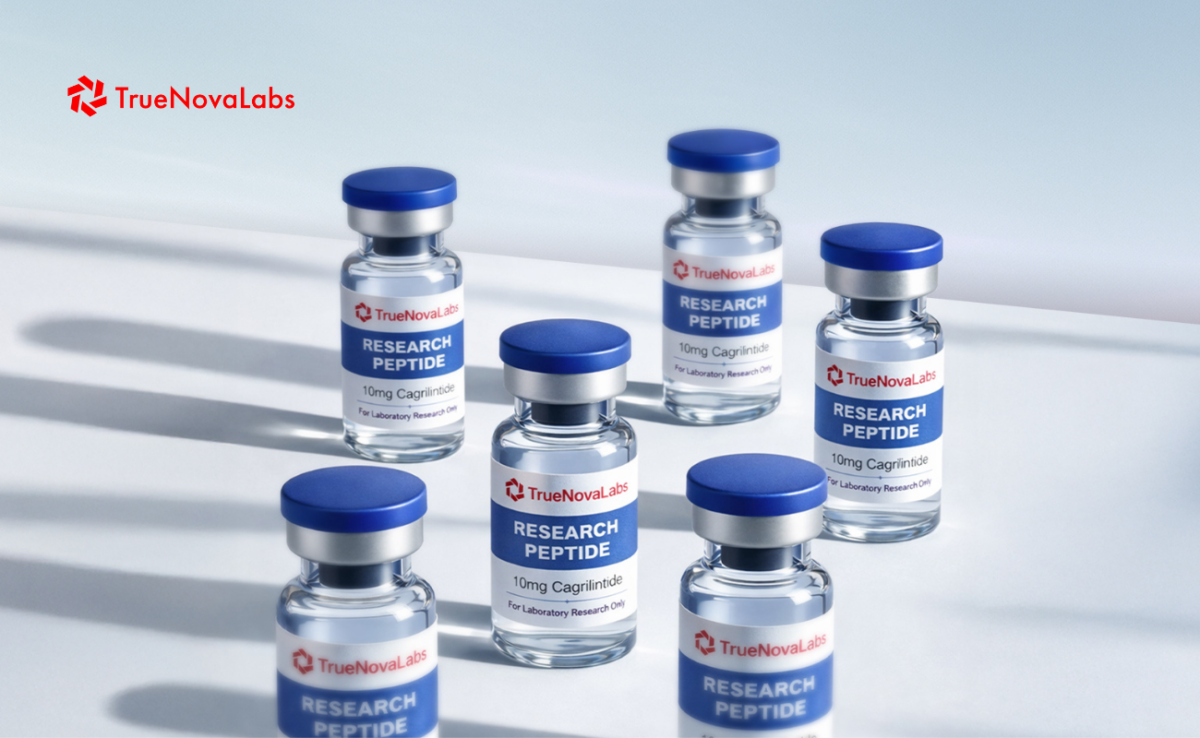
Materials Needed for Reconstitution
Before starting, it is important to prepare all materials in a clean and controlled environment.
Basic Materials Include
- Lyophilized peptide vial
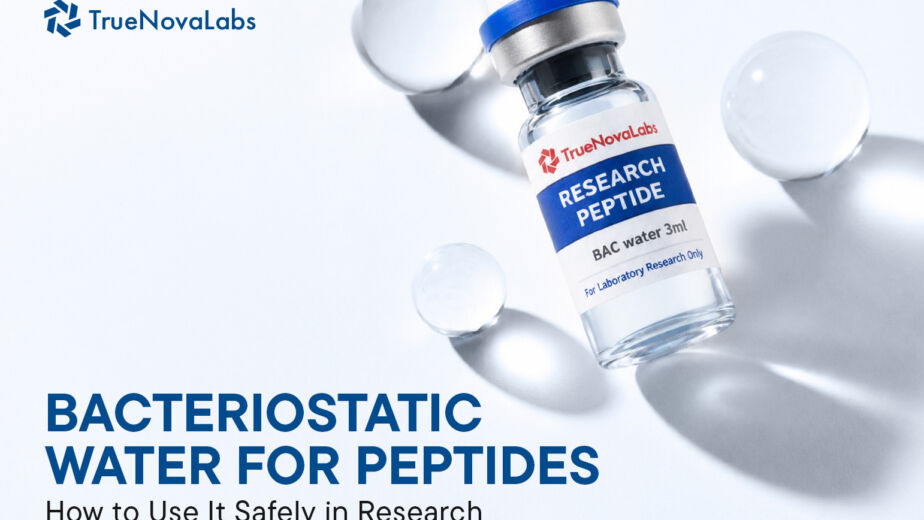
- Sterile reconstitution solution (commonly bacteriostatic water in research settings)
- Sterile syringe
- Alcohol swabs
- Gloves
- Clean workspace with proper laboratory conditions
Some research protocols may require additional equipment depending on the peptide type and study design.
Why Clean Handling Matters
Even a high-purity peptide can become unreliable if contamination occurs during preparation.
Maintaining sterility helps protect:
- Product integrity
- Accurate concentration
- Experimental consistency
Step-by-Step Peptide Reconstitution Guide
Proper peptide reconstitution should be done slowly and carefully.
Step 1: Prepare a Clean Workspace
Disinfect the work area and ensure all materials are ready before opening any vials.
Wash hands thoroughly and use gloves when appropriate.
Step 2: Clean the Vial Tops
Use alcohol swabs to clean the tops of both:
- the peptide vial
- the sterile solution vial
This reduces contamination risk.
Step 3: Draw the Sterile Solution
Then, using a sterile syringe, carefully draw the required amount of reconstitution liquid based on your research protocol.
The correct volume depends on:
- peptide amount
- target concentration
- study design
Step 4: Inject Slowly Into the Peptide Vial
Inject the liquid slowly against the inner wall of the vial—not directly onto the powder.
This helps reduce agitation and protects peptide structure.
Step 5: Allow the Peptide to Dissolve Naturally
Do not shake the vial aggressively.
Instead:
- gently swirl if necessary
- allow the solution to dissolve gradually
Shaking too hard may damage peptide integrity.
Step 6: Label and Store Properly
Once reconstituted:
- label the vial clearly
- record preparation details
- place it under appropriate storage conditions immediately
Proper tracking improves research consistency.
Common Mistakes to Avoid
Many peptide stability problems come from simple handling mistakes.
1. Shaking Too Aggressively
This may damage sensitive peptide structures.
Always use gentle swirling instead.
2. Using Incorrect Liquid
Not every peptide follows the same protocol.
Always confirm compatibility with your research requirements.
3. Poor Sterile Technique
Skipping cleaning steps increases contamination risk and reduces reliability.
4. Incorrect Concentration Calculations
Improper volume calculations can affect study accuracy.
Always verify calculations before reconstitution.
5. Improper Storage After Mixing
Once reconstituted, peptides become significantly more sensitive to temperature and handling.
Storage After Reconstitution
Storage becomes much more important after the peptide has been mixed.
General Best Practices
- Store under cool, stable conditions
- Avoid repeated temperature fluctuations
- Protect from direct sunlight
- Minimize unnecessary handling
Why Stability Changes
Lyophilized peptides are generally more stable than liquid solutions.
After reconstitution:
- degradation may accelerate
- contamination risk increases
- observation windows may become shorter
Proper storage helps preserve research accuracy.
Safety Tips for Proper Handling
In Canada, research peptides are supplied strictly for laboratory and educational purposes only.
They are commonly labeled:
“For research use only”
“Not for human consumption”
This is an important regulatory distinction.
Safety Best Practices
- Use only verified research-grade products
- Confirm supplier transparency and COA documentation
- Follow controlled laboratory procedures
- Avoid misuse outside research contexts
Authorities such as Health Canada regulate substances based on intended use, classification, and compliance.
Proper handling is both a scientific and legal responsibility.
FAQ
Why are peptides sold as powder?
Lyophilized powder improves stability, reduces degradation, and helps preserve peptide quality during storage and shipping.
What liquid is used for peptide reconstitution?
This depends on the research protocol, but sterile laboratory-grade solutions such as bacteriostatic water are commonly used in research settings.
Can I shake the vial after mixing?
Aggressive shaking should be avoided. Gentle swirling is preferred to protect peptide structure.
How should reconstituted peptides be stored?
They should be stored in stable, cool conditions with minimal exposure to heat, light, and contamination.
Are research peptides approved for personal use in Canada?
Most research peptides are not approved for human consumption and are therefore intended strictly for scientific and educational purposes.
Conclusion
Understanding how to reconstitute peptides properly is essential for accurate and reliable research.
The process may seem simple, but preparation quality directly affects:
- peptide stability
- concentration accuracy
- research consistency
- overall study reliability
Good peptide research starts long before observation—it begins with correct handling.
For researchers in Canada, combining proper technique with compliance-focused sourcing is the best way to maintain both scientific integrity and product quality.
Explore Research-Grade Peptides
Looking for high-quality research peptides with verified purity and transparent sourcing? Explore the full collection at True Nova Labs
Disclaimer:
This content is provided by True Nova Labs for educational and research purposes only. It is not intended to diagnose, treat, cure, or prevent any disease, nor to provide medical or legal advice.




3 Comments
Tyler Bennett
Great guide—really like how it emphasizes that reconstitution isn’t just mixing powder with water. The details like adding the solvent slowly along the vial wall and avoiding shaking make a big difference in preserving peptide integrity.
Olivia Grant
I appreciate how the article highlights sterile technique and preparation. From my perspective, steps like disinfecting vial tops and using proper syringes are just as important as the actual mixing process.
Ethan McLeod
Very informative read. I see reconstitution as a critical step because factors like solvent choice, temperature, and storage directly affect peptide stability and how reliable the results will be.